What Materials Suit String Flags?
For events, promotions, and decorative displays, string flags are lightweight, easy to showcase, and appealing. Flags' durability, aesthetic, and suitability to a specific location are, however, material-dependent. Good materials allow the flags to withstand the conditions while communicating the intended message effectively. Here are string flags appropriate materials and their features.
Polyester Fabric: The Preferred Material for String Flags
Polyester fabric is lightweight, which is why string flags are easy to hold. In a gentle breeze, flags flutter adorably and promote a lively atmosphere. The material's strength is resistant to tearing, making the flags suitable for outdoor displays. Polyester's affordability, functional perfection, and string flags performance durability explain its popularity.
Polyester also has excellent fade resistance and drapes beautifully. Thanks to advancements in digital and sublimation printing, polyester string flags graphics and logos are vibrant and long-lasting. Polyester is also fade resistant to sunlight, rain, and other environmental elements. Finally, polyester is easy to care for and will dry quickly for repeated use during multiple events. Dust can simply be removed with a damp cloth.
For bulk orders of string flags, polyester is cost effective. Competitively priced polyester string flags are great for large events, advertising, and commercial displays tailored to individual needs. The printing, graphics, and logos are vibrant and long-lasting. Additionally, polyester string flags fade resistant to sunlight and rain. Finally, polyester is easy to care for and will dry quickly for repeated use during multiple events. Dust can simply be removed with a damp cloth.
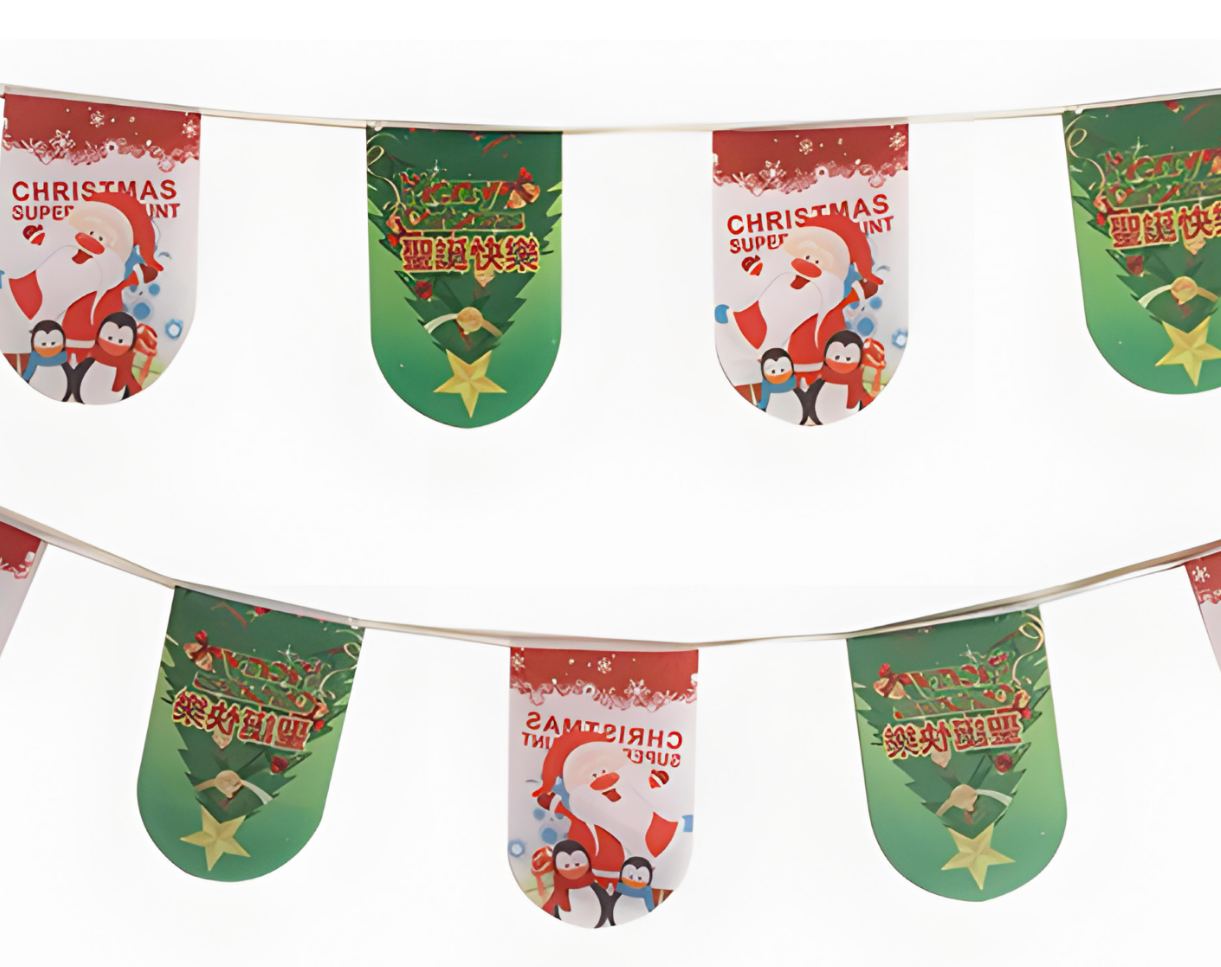
Choosing a Nylon Fabric for String Flags
Nylon is a common material for String Flags in situation where a smoother and more classy feel is desired. Nylon has a natural shin which helps make printed designs on the flags more vibrant and helps grab attention. Because the material is soft and has good drape, the String Flags flutter elegantly in the gentle breeze.
Nylon is very durable and provides good protection against abrasion and tearing. It can take the impact of moderate winds, and is not easily ruined, which makes it suitable for outdoor uses such as in parks, squares, and event venues. Nylon is the best outdoor flag material, as it is abrasion resistant. It also has a good resistance to water; in drizzling rain, flags will dry quickly and will not hold water, and their appearance and intended use will not be affected.
On the contrary, nylon is not as colorfast as polyester. Over time, under the hot sun, nylon will slightly fade. Thus, it is suggested for short term outdoor use. For instance, it is excellent for indoor exhibitions, in which its aesthetic advantages can be fully utilized, as well as store decorations and temporary advertising.
Cotton Fabric: Ideal for Indoor and Low-Impact Use
Cotton is a timeless classic for string flag as fans enjoy its feel and textural quality. Soft and matte in finish, the string flags attain a classic and elegant beauty, perfectly catering for indoor decorative usage like cultural events, weddings, and hotel embellishments.
Cotton is also great when it comes to ink absorption, resulting in printed patterns that have a subtle and natural quality to them. Though the colors may not be as vibrant as the ones on the polyester and nylon, some customers prefer the muted vintage look that balances well with a traditional setting. Nonetheless, cotton does have some impracticalities. It is heavier than other fabrics, thus, it gets the flags weighted down making it unsuitable for use in windy outdoor conditions.
Cotton flags have drawbacks as well. Cotton absorbs moisture, and textiles made from cotton are not water-resistant. Thus, cotton will mildew and lose shape or structure when it rains or is heavily humid. Cotton will also result in fading more quickly from washing, sunlight, or general exposure. This is why cotton string flags should only be used indoors, in proximity to a stable environment, and for minimal temporary use. For outdoor and prolonged use, flags made from cotton will not be suitable as they lack durable and weather-resistant qualities.
Things to Think About When Choosing String Materials for Flags
When it comes to string flags, to ensure a good end result there are a few important things to think about. For instance, the environment where the flags are going to be used. When it comes to string flags that will be used outdoors for an extended period of time, you will want to go with polyester fabric as it withstands weather and retains color the best. If the flags will be indoors, then you can use either cotton or nylon based on the intended look.However, for long-term applications, like permanent commercial venue decor or using repeated for multiple events, fabrics made with polyester are more durable and will save you money over time.For bright and vibrant patterns, polyester and nylon will be best. However, for a soft, faded look, cotton will be the best choice. Cost also needs to be considered. For large orders, polyester tends to be cheaper, while cotton will be more expensive due to natural material costs.
Conclusion
In this instance, it's best to evaluate the performance, look, and applicability of the materials used for string flags. For most indoor and outdoor applications, the best all-round and affordable option is the durable and color-retentive polyester fabric. For more refined and polished use, nylon is best fit for short-term or indoor use. The soft and natural look of cotton, although less durable, is best for indoor decorative use where its charm is needed.
With all the above said, customers can now determine the most appropriate option for their string flags. Remember, the right material enhances the overall display of the flags and preserves their purpose as advertising, decoration, or for intended use at an event.