How to Hang String Flags Effectively?
Choosing the Correct Flag Material
Hanging string flags requires selecting the best material for the job. If the flags are for outdoor use, choose polyester. Polyester is durable against wind, rain, and sun; no fading or tearing in just a few days. For indoor use, like a party or store display, lightweight polyester works, too; it is easy to hang and retains its shape. Don’t use heavy materials since they will pull the string down and detract from the neat look you are trying to achieve.
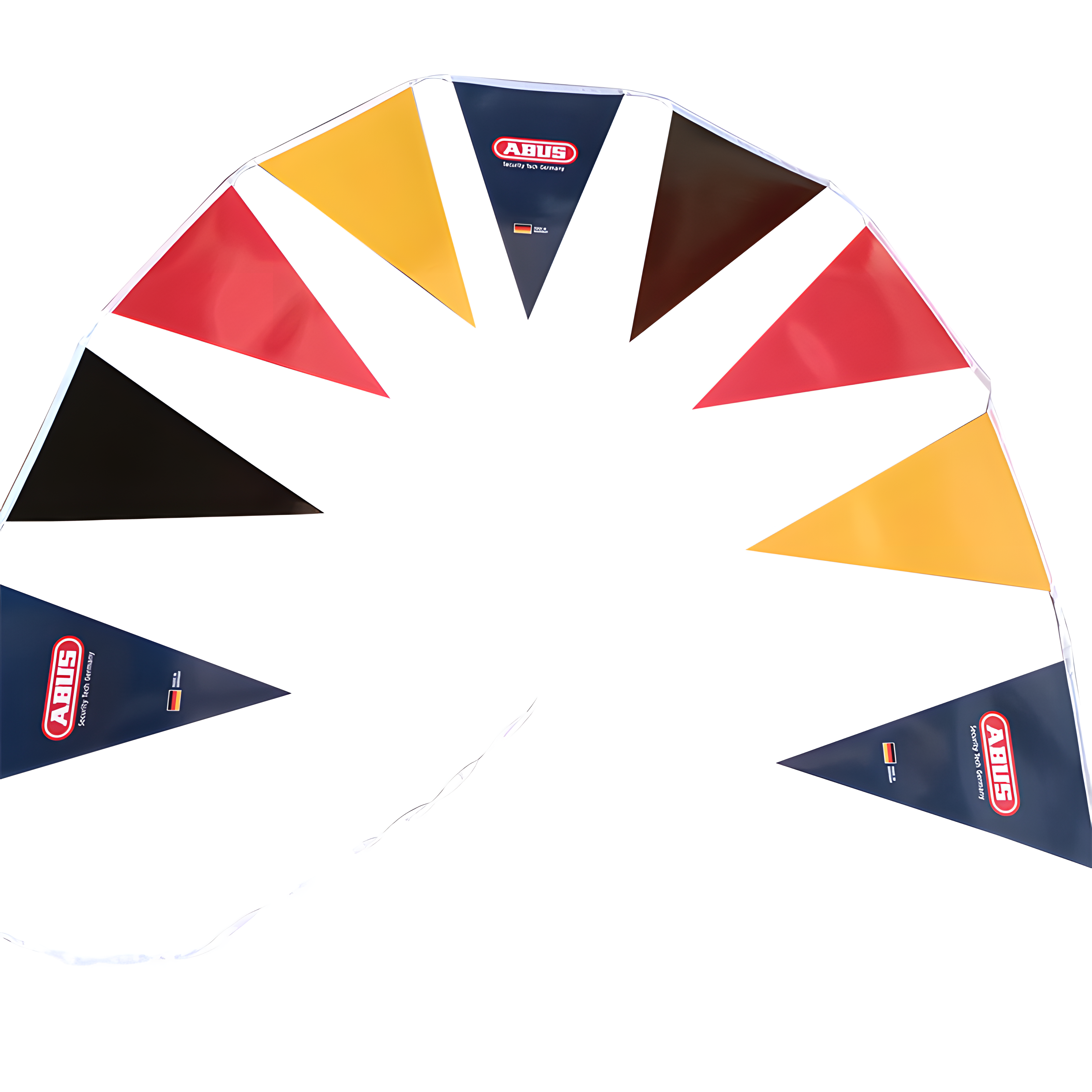
Choosing the Right Location
Where you choose to hang string flags affects their appearance and durability. For outdoor setups, choose a place with solid support, like between two strong poles, along a fence, or over a porch. Don’t place the flags in a very windy spot; strong winds will twist the flags or break the string. For indoor use, you can hang the flags over doorways, along the walls, or over the ceiling. Just ensure the mounting surface (hooks or nails) will support the weight, or they will fall down in the middle of the event.
Prepare the Necessary Hanging Tools
Hanging things may not require a lot of tools, but it can make the process easier and secure. Consider getting durable and non-stretching nylon string or rope. For attachments, consider using small hooks or clips. For indoor use, command hooks can be used. You can adjust the flags if you use clips. For outdoor use, use weatherproof hooks or zip ties to secure the string. Don’t forget to bring a measuring tape so you can check if the string is straight and the flags are spaced evenly.
Follow the Correct Hanging Steps
To determine the length needed for the flags, begin by measuring the span of the area where the flags will be hanged. When cutting the string, remember to make it extra long so you can securely tie the ends. When you start hanging, tie one end of the string to your first support, which can be a hook, a pole, or something else. Then, space the flags along the string; a distance of 4 to 6 inches is a good practice to allow the flags to be clearly visible and avoid overlapping. When the flags are set up, tie the other end of the string to the second support. Test the length by giving it a slight tug, which will make it tight, but not so tight that the flags will be damaged.
Keep Clean Flags After Use
Taking care of your string flags after using them will ensure they stay in shape. If your flags are outside, take care of them every few days. Shake off any dirty leaves. If the wind causes the string to get loose, adjust it. After it rains, let the flags dry before you hang them up; hanging them up while wet will cause mildew. For indoor flags, every week or so just take a cloth and dust them. You can take them down, fold them cleanly, and place them in a dry location for future use. This will help for your future occasions.