Beach Flags: How to Make Them Wind-Resistant
Choosing Beach Flag Materials
To have a wind-resistant beach flag, it needs to be made of quality materials. For beach flags, the most wind-resistant fabric is polyester. It is durable, flexible, and can withstand tearing from strong winds while retaining shape. Additionally, polyester's lightweight quality means that it will continue to flutter gently in the wind rather than being a strain on the fabric. Meeting eco-standards on long-term polyester products, eco-conscious customers will appreciate polyester materials that can be utilized for many years in sustainable beach environments.
Printing Methods for Beach Flags
To withstand wind, beach flags require intricate and advanced printing techniques. Digital printing, UV printing, and screen printing are all effective methods that will not compromise the beach flag's durability. These printing methods use fibrous materials in a light-weight composition and bind them to polyester, rather than layering them down in a stiff way that will compromise damage to the flag in high-velocity wind. The print used will not fade due to sun, moisture, and high beach wind conditions while remaining colorful and vibrant. Specifically tailored the beach flag's designed colors will also enhance and not compromise the beach flag's performance.
Structural Design Optimizations
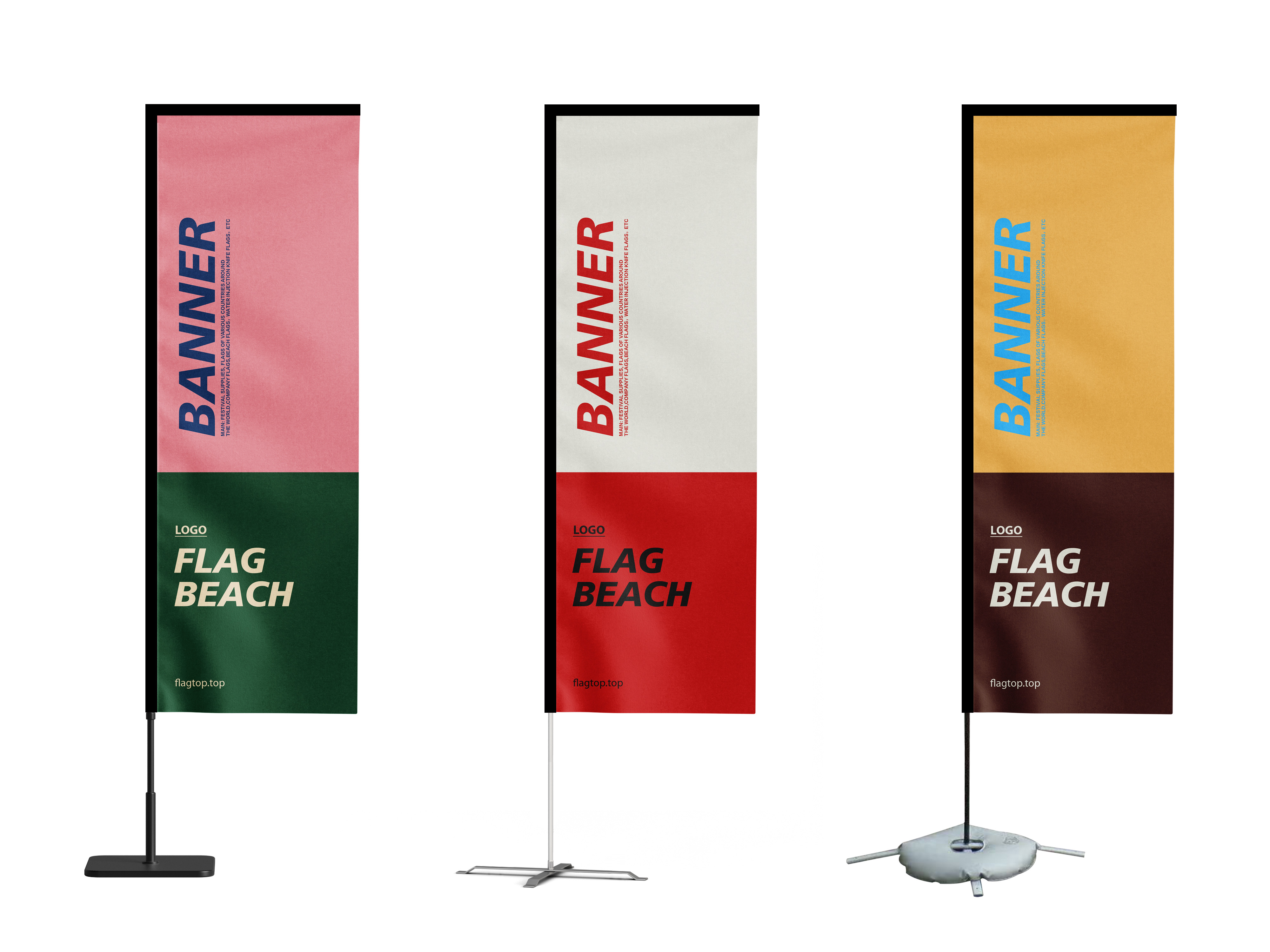
When designing a structure with wind resistance in mind, one must take structural thoughts into consideration. Flag sizes, for instance, matter quite a bit; sizes such as 3x5 ft. are balanced in a way to handle wind, but not be too heavy. Double sided designs are, in gusty conditions, symmetrical and stable. First made from non-fray threads, reinforced edges, and securely stitched material, flags are designed for long-term use. Other compatible mounting hardware, such as poles, clips, and mounting brackets, should be designed for firm restriction of movement to ensure that maximum wind resistance stress is placed on the fabric.
Quality Control for Wind Performance
Fierce quality control guarantees a beach flag’s losable in the wind. As each flag is tested in a wind tunnel to assess the strength of the flag against wind, significant stitches, thick fabric, and full adhesion of ink are determined. Factories with experience use auto cutting and sewing machines in order to full control the craftsmanship, removing the human errors which would compromise a flag. Materials being fully known guarantees that the durability and performance output is to be expected.
Helpful Maintenance Tips
Beach flags last longer if you maintain them. Cleaning with mild soap every so often helps remove sand and salt that will wear the fabric down. Always dry the flag completely after using it and before storing it to not promote the growth of mold and mildew. Keeping the flag in a cool, dry, and wear-free place helps elongate the longevity of the fabric. Try to avoid cleaving the flag and using too much pulling force so you can avoid tears. Using these simple tips and GUIDELINES will keep your flag in great shape to keep that wind resistance for future uses.